

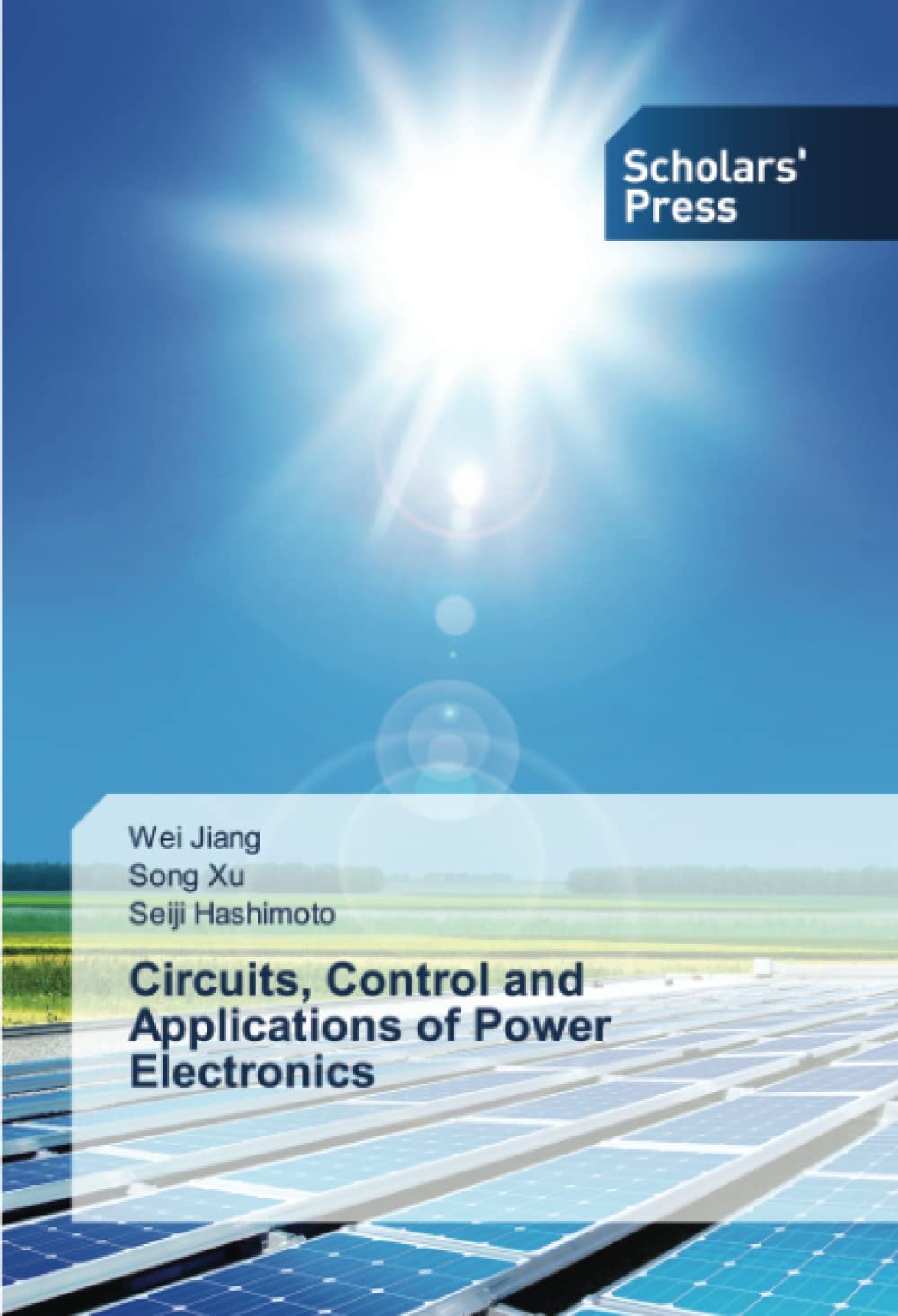
Circuits, Control and Applications of Power Electronics
Discover why Circuits, Control and Applications of Power Electronics stands out among similar products.
Learn about its key features, benefits, and real performance.
What Makes Circuits, Control and Applications of Power Electronics Special?

Review of "Circuits, Control and Applications of Power Electronics"
In the rapidly evolving field of electrical engineering, a solid understanding of power electronics is essential for professionals aiming to design, analyze, and implement effective power conversion systems. "Circuits, Control and Applications of Power Electronics" is an essential resource that one might consider for a deeper dive into this specialized area. Aimed primarily at graduate-level electrical engineering students and practicing engineers, this textbook bridges theory with practical application, focusing on the critical aspects of power electronic systems, including topology, modeling, and control.
Key Features and Usability
One of the standout features of this book is its structured approach to complex topics. Each chapter is designed to build on the previous one, providing a logical flow that caters to both novices and those seeking to deepen their expertise. Here’s a breakdown of several key features:
-
Comprehensive Coverage of Topologies:
The book delves deeply into various power electronic topologies, establishing a foundational understanding crucial for effective circuit design. Readers can expect detailed discussions on switch-mode power supplies, DC-DC converters, and inverter topologies. This thorough exposition equips students with the necessary tools to approach real-world challenges confidently. -
Modeling Techniques:
Understanding the dynamics of power electronic devices is imperative. This textbook provides invaluable insights into modeling methodologies, utilizing time-domain and frequency-domain approaches. The integration of complex modeling techniques allows users to simulate and predict performance, which is integral for developing efficient power systems. -
Control Strategies:
Control is a pivotal aspect of power electronics that directly influences system performance. The book covers basic and advanced control strategies, emphasizing their applications in real-world scenarios. Readers are guided through each method, gaining knowledge that enables them to implement these strategies effectively in their projects. -
Problem Sets and Real-World Applications:
Practicality is a vital aspect of this book, and it excels in providing problem sets that reinforce learning. With examples drawn from real-world applications, students can relate theory to practice, enhancing their comprehension and retention of the material. - Illustrations and Diagrams:
Visual aids are plentiful throughout the text, contributing to better understanding complex concepts. Well-crafted diagrams and circuit illustrations complement the discussions, making it easier for students to visualize the components and their interactions within power electronic systems.
Quality, Materials, and Design
In terms of physical quality, "Circuits, Control and Applications of Power Electronics" is well-constructed with a sturdy binding, allowing it to withstand frequent use. The layout is clear and organized, with headings, subheadings, and bullet points that facilitate quick reference. The text employs a professional yet approachable tone, striking a balance between academic rigor and accessibility.
Furthermore, the quality of the content is commendable; it reflects contemporary research and technology advancements, ensuring the material is not only relevant but also progressive. The collaborative effort of experienced authors in the field lends credibility to the information presented.
Strengths and Weaknesses
Strengths
-
Depth of Content:
The book thoroughly covers its subject matter, leaving no stone unturned. It serves as both an introductory resource and an advanced reference guide, ideal for ongoing study. -
Clarity and Structure:
The methodical arrangement of content aids in comprehension, making it easier for students to grasp complex concepts. -
Focus on Practical Application:
By including real-world applications and problems, the book bridges the gap between theory and practice, which is particularly beneficial for engineers engaged in industry projects. - Engaging Visual Aids:
The diagrams and illustrations are comprehensive and enhance the learning experience.
Weaknesses
-
Targeted Audience:
While the book is written for graduate students and engineers, it may be less suitable for those without a foundational understanding of power electronics. Newcomers to the subject might find some sections overwhelming, as the material assumes prior knowledge of electrical engineering concepts. -
Limited Coverage of Emerging Technologies:
Although the book is well-versed in established topics, there could be a more significant emphasis on emerging technologies and trends in power electronics, such as wide-bandgap semiconductors or advancements in renewable energy applications. - Potentially High Cost:
Depending on the publisher and edition, the price tag may be a concern for some students, especially those on a budget. However, the depth and quality of material presented can justify the investment for serious learners.
Ideal User Type and Best Use Cases
This book is most suitable for:
-
Graduate-Level Electrical Engineering Students:
Those studying power electronics at the master’s level will find this book an invaluable resource that aligns with their academic requirements. -
Practicing Engineers:
Engineers actively working in power electronics will benefit significantly from the text. It can serve as a handy reference for troubleshooting and design phases in their projects. - Researchers and Innovators:
Those engaged in academic or industrial research in the field of power electronics will find the content and discussions relevant and informative.
Best Use Cases
-
Graduate Courses:
The textbook can serve as the primary or supplementary material for graduate-level courses focusing on power electronics. -
Professional Development:
Engineers can utilize this book to enhance their skills and knowledge, making it an excellent resource for continuing education and professional development courses. -
Self-Study:
The structured layout and problem-solving approach make it suitable for self-learners wishing to develop expertise in power electronics. - Industry Applications:
The practical focus makes it a go-to reference for engineers working on the design and implementation of power conversion systems.
Conclusion
In summary, "Circuits, Control and Applications of Power Electronics" is a comprehensive and thoughtfully constructed textbook that expertly fills the knowledge gap for graduate students and engineers focused on power electronics. Its blend of theory and practical application stands out, giving users the tools to excel in both academic and industry settings.
While it may not be tailored for absolute beginners, its depth of content, clarity, and focus on real-world problems make it an invaluable resource for serious learners in the electrical engineering field. If you are looking to deepen your understanding of power electronic systems, this book is worth considering for your library. Investing time in its pages can lead to significant gains in proficiency and confidence in handling power electronic projects.
Why Choose Circuits, Control and Applications of Power Electronics
- ✅ Designed for convenience and reliability
- 🔍 Offers features that stand out from competitors
- ⚙️ Built with durable, high-quality materials
- 💰 Provides excellent value for the price
Tags
#Circuits #Control #Applications #Power #Electronics