

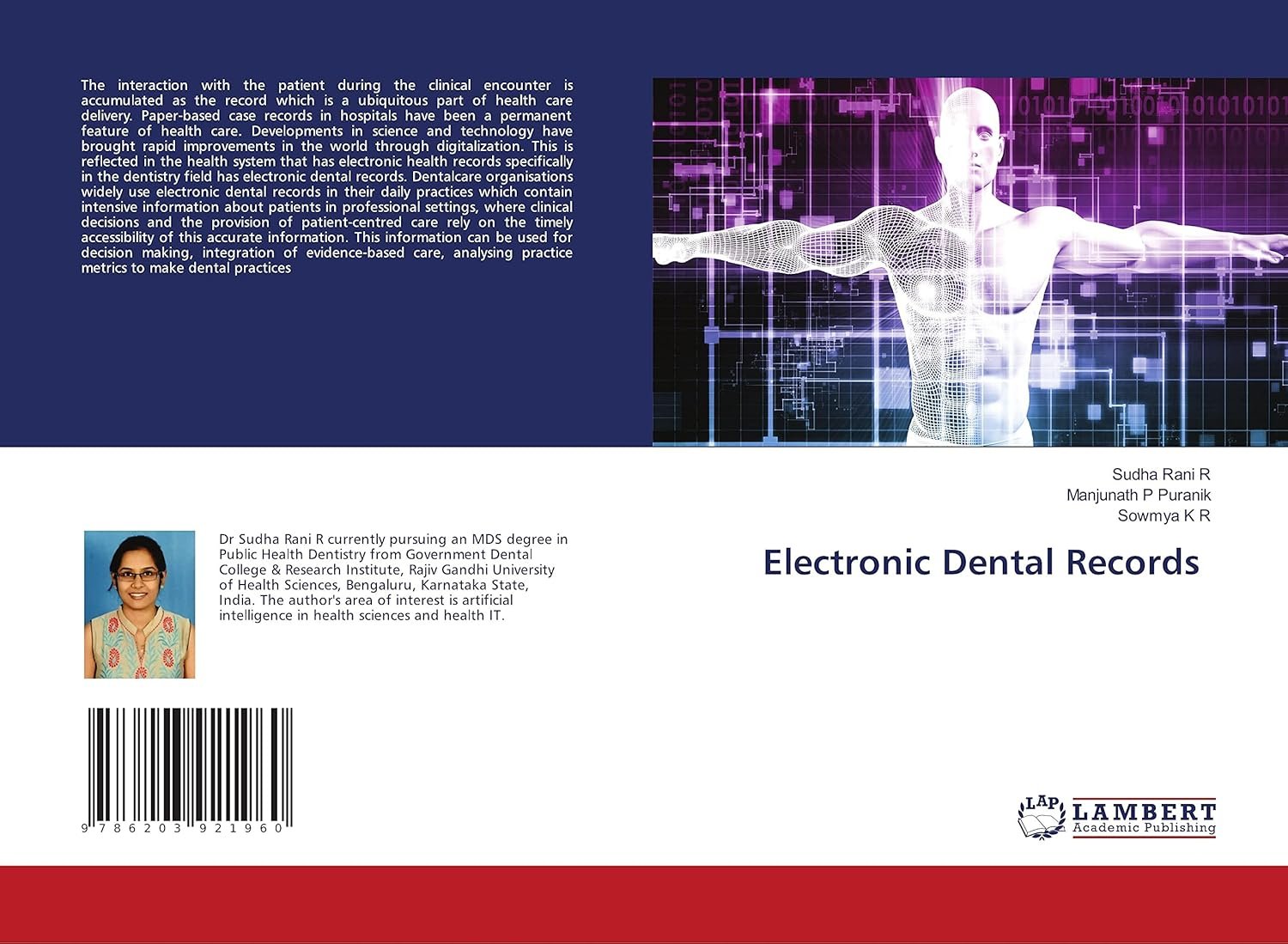
Electronic Dental Records
Discover why Electronic Dental Records stands out among similar products.
Learn about its key features, benefits, and real performance.
What Makes Electronic Dental Records Special?

Comprehensive Review of Electronic Dental Records
In the ever-evolving landscape of health care, the integration of technology has transformed the way medical practitioners manage and access patient information. Specifically, in the field of dentistry, Electronic Dental Records (EDR) have become a vital tool in ensuring efficient patient management and enhancing the overall quality of care. This review provides an in-depth look at EDR, examining its key features, usability, design quality, strengths, weaknesses, and ideal user types.
Key Features and Real Usability
Comprehensive Data Management
One of the primary advantages of Electronic Dental Records is their ability to consolidate patient information in a single, accessible format. EDR allows dental care providers to maintain comprehensive records that include patients’ medical history, treatment plans, radiographs, and even financial information. This centralized approach greatly simplifies the retrieval of data, ensuring that every team member has timely access to the necessary information for clinical decisions.
Enhanced Clinical Decision-Making
With accurate patient information readily available, dental professionals can engage in evidence-based practice more effectively. EDR systems facilitate the integration of current research findings directly into daily practice. Dentists can evaluate previous treatments, monitor patients’ progress, and make informed decisions quickly—ultimately leading to improved patient outcomes.
Analytics and Reporting
Another significant feature of EDR is its capability for practice metrics analysis. Through robust reporting tools, dental practitioners can analyze clinical outcomes, patient demographics, treatment effectiveness, and financial performance. This data-driven approach not only helps in identifying areas for improvement but also assists in operational decision-making that can enhance the overall efficiency of the dental practice.
Patient-Centered Approach
In today’s health care environment, a patient-centered care model is paramount. EDR systems allow for enhanced communication with patients, facilitating shared decision-making. Features such as patient portals enable individuals to access their records, schedule appointments online, and communicate directly with their dental providers. This level of engagement can significantly boost overall patient satisfaction.
Quality, Materials, and Design
User Interface and Experience
The design of an EDR system is not just about functionality; it also plays a crucial role in user experience. A well-designed EDR system should feature an intuitive user interface that minimizes learning curves for dental practitioners. Most modern EDR solutions have made significant strides in this area, offering streamlined navigation and customizable dashboards that allow users to focus on what matters most: patient care.
Data Security and Compliance
Given the sensitive nature of health records, data security is a top concern for both practitioners and patients. EDR systems utilize robust encryption protocols and comply with relevant health regulations, such as HIPAA, to protect patient information. This focus on security helps to mitigate legal risks while fostering trust between the practitioner and patients.
Integration with Other Technologies
EDR should seamlessly integrate with other dental practice management systems (like billing software or scheduling platforms). This ensures that all aspects of dental practice management work together cohesively, minimizing the risk of errors and improving operational efficiency.
Strengths and Weaknesses
Strengths
-
Efficiency: EDR streamlines administrative tasks, saving time and reducing paperwork.
-
Improved Patient Care: Ready access to accurate patient data allows for timely decisions and interventions.
-
Enhanced Communication: Patient portals and secure messaging options facilitate better communication between dentists and patients.
-
Data-Driven Insights: Robust reporting functions provide valuable insights for practice improvement.
- Compliance and Security: Advanced encryption and compliance with health regulations protect patient information.
Weaknesses
-
Initial Costs: The initial investment in EDR systems can be substantial, posing challenges for smaller dental practices.
-
Learning Curve: While many systems are user-friendly, some staff may require training to navigate the software effectively.
-
Reliance on Technology: An over-dependence on electronic records can be problematic in case of system failures or downtime.
- Data Privacy Concerns: Although security measures are in place, concerns about data breaches continue to linger in the digital landscape.
Ideal User Type and Best Use Cases
Ideal User Type
The ideal users for Electronic Dental Records include dental practitioners, dental hygienists, office administrators, and IT professionals working within a dental setting.
-
Small to Large Dental Practices: EDR systems offer varying levels of complexity, making them suitable for both small practices looking to streamline workflows and larger multi-dental practices needing robust features for data management and reporting.
- Patient-Centric Practices: Dental offices committed to enhancing patient engagement and improving customer service will find EDR indispensable.
Best Use Cases
-
General Dentistry Practices: A standard use case for EDR is in general dentistry, where maintaining patient records, treatment histories, and ongoing patient engagement is vital.
-
Orthodontics and Specialists: Specialized dental practices benefit from EDR’s analytical capabilities, which offer insights into treatment effectiveness and patient outcomes.
- Teaching Institutions: Dental schools can also leverage EDR for educational purposes, allowing students to interact with real patient data under supervised conditions.
Conclusion
The transition from paper-based records to Electronic Dental Records represents a significant advancement in the field of dentistry. With the ability to enhance efficiency, improve patient care, and facilitate better communication, EDR systems are becoming a necessity in modern dental practices. While the initial costs and potential learning curves present challenges—particularly for smaller practices—the long-term benefits cannot be overstated.
By adopting electronic dental records, dental professionals are not just enhancing their operational efficiency but are consistently advancing towards creating a more patient-centered and evidence-based approach to dental care. As the healthcare landscape continues to evolve, investing in an EDR system may be one of the best decisions a dental practice can make to ensure they remain competitive and efficient in providing high-quality care.
Why Choose Electronic Dental Records
- ✅ Designed for convenience and reliability
- 🔍 Offers features that stand out from competitors
- ⚙️ Built with durable, high-quality materials
- 💰 Provides excellent value for the price
Tags
#Electronic #Dental #Records