

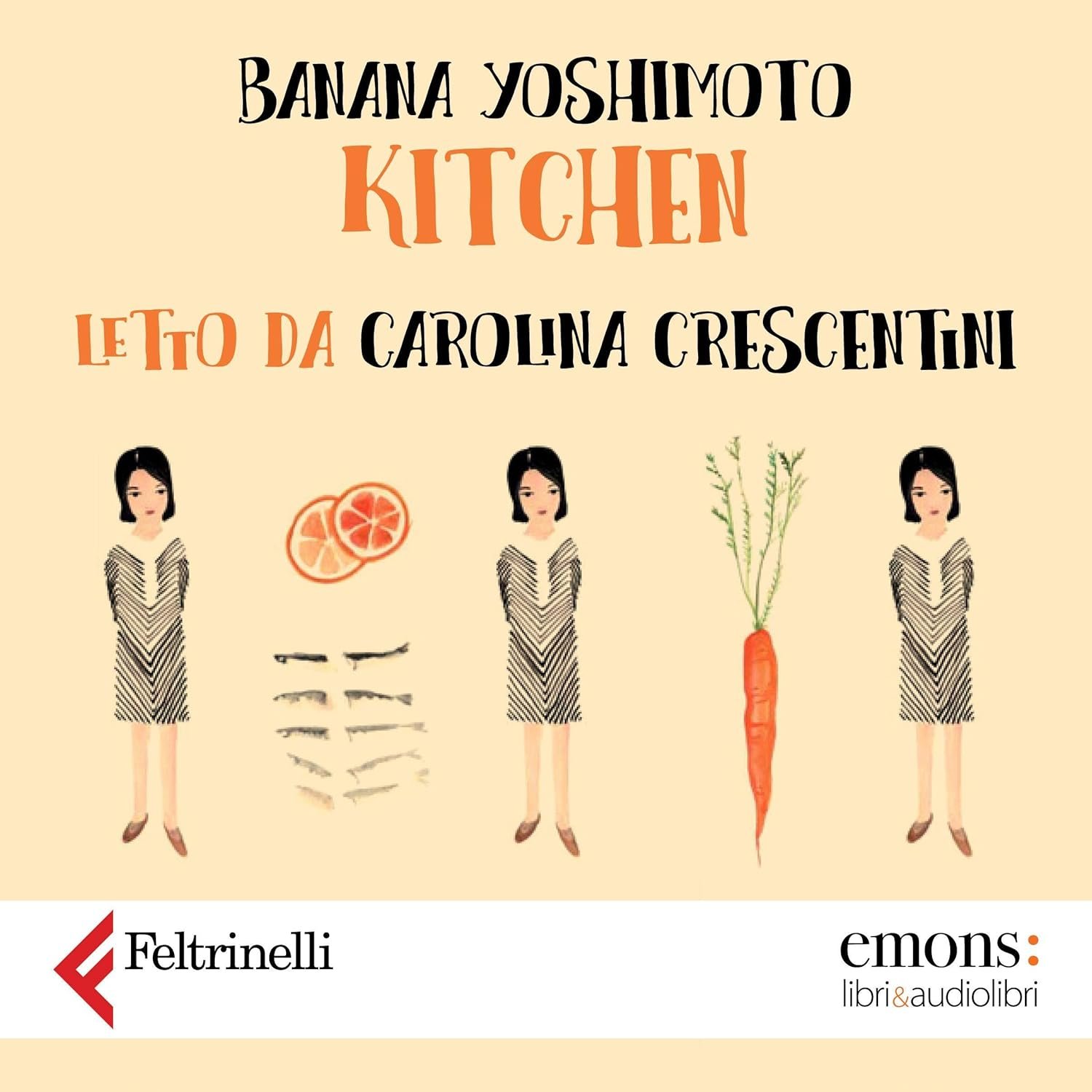
Kitchen
Discover why Kitchen stands out among similar products.
Learn about its key features, benefits, and real performance.

What Makes Kitchen Special?

An In-Depth Review of Kitchen by Banana Yoshimoto
Introduction
Non c’è posto al mondo che io ami di più della cucina. This evocative line from Banana Yoshimoto’s novel Kitchen sets the tone for a story that transcends mere food preparation and delves deeply into the emotional landscapes defined by familial connections, loss, and self-discovery. For readers seeking a poignant exploration of life’s complexities, Kitchen offers an engaging narrative that checks numerous boxes for literature enthusiasts.
In this review, we will explore the book’s key features, usability, strengths, weaknesses, and its ideal audience. Whether you’re a seasoned reader or someone new to contemporary Japanese literature, this review will provide a clear understanding of what Kitchen brings to the table.
Key Features and Real Usability
Themes of Family and Belonging
At its core, Kitchen is a narrative that navigates the intricacies of family dynamics. Through the protagonist, Mikage, who finds herself alone after the death of her grandmother, the novel addresses themes of loss and the quest for belonging. Mikage’s relationship with fellow characters, particularly Yuichi and his father, illustrates how family can be constructed through meaningful connections rather than just biological ties.
This theme is highly relatable for readers who have faced loss or complicated relationships, making the novel usable as a source of comfort and reflection. It allows for an introspective reading experience that resonates with many who grapple with similar issues.
The Symbolism of Kitchens
The kitchen itself serves as a symbol throughout the narrative, representing warmth, comfort, and the centrality of human connection. Mikage’s fascination with kitchens is not just about food but represents her longing for warmth and familial love. This provides an engaging backdrop that is both relatable and universal.
For anyone who enjoys culinary culture or simply appreciates the warmth of home, the kitchen symbolism adds depth to the character’s emotional journey. Each setting resonantly embodies Mikage’s evolving understanding of family, love, and acceptance.
Fresh and Original Language
Yoshimoto’s writing style is another distinct feature that makes Kitchen stand out. It is fresh and original, often compared to the succinct and engaging storytelling found in manga. The prose is straightforward but rich in emotional undercurrents, making it accessible yet profound.
This engaging writing style ensures that readers of all backgrounds can appreciate the novel, even if they aren’t well-versed in Japanese literature or culture.
Quality, Materials, and Design
Writing Quality
Yoshimoto’s prose is characterized by its clarity and emotional resonance. She balances poetic expression with everyday dialogue, creating an immersive reading experience. The pacing of the story contributes to its engaging quality; moments of introspection are layered smoothly with action, allowing readers to connect deeply with the characters’ emotional arcs.
Physical Addition
For readers who appreciate the aesthetics of their books, the design of the edition you choose can enhance the reading experience. Many editions of Kitchen feature lovely cover art that resonates with the thematic elements of the story. The choice of fonts and layout is typically reader-friendly, ensuring readability and comfort during long reading sessions.
Cultural Insight
What sets Kitchen apart is its cultural depth. While it’s a work of fiction, it offers glimpses into Japanese customs, societal expectations, and the existential struggles that often accompany loss and emotional upheaval. For those interested in understanding Japan beyond sushi and samurai, this novel acts as an accessible window into its culture.
Strengths and Weaknesses
Strengths
-
Emotional Depth: The primary strength of Kitchen lies in its emotional intricacies. The nuanced portrayal of grief, love, and self-discovery resonates with readers on various levels.
-
Relatability: Many readers can find facets of their own lives reflected in Mikage’s struggles with isolation, connection, and family. This relatability makes it an enduring story.
-
Culturally Rich: The story provides readers with a rare glimpse into Japanese life, allowing non-Japanese readers to appreciate the cultural nuances through an emotional narrative lens.
-
Concise and Engaging: Its brevity is an advantage. Coming in at just around 100 pages, the novel is a quick yet fulfilling read that doesn’t sacrifice depth for length.
- Unique Perspective: Yoshimoto’s approach presents an alternative viewpoint of Japan that breaks away from traditional tropes, appealing to readers looking for fresh narratives.
Weaknesses
-
Pacing Issues: Some readers may find the pacing uneven. The transition between introspective moments and active plot points might feel jarring at times.
-
Character Development: While Mikage’s emotional journey is rich, some characters may feel underdeveloped to certain readers. Their actions are explained through Mikage’s perspective, leaving less room for their own narratives to unfold.
- Lack of Plot-Driven Action: Readers who prefer fast-paced, plot-driven narratives might find Kitchen lacking. The story is more character-focused and introspective, which may not appeal to all.
Ideal User Type and Best Use Cases
Ideal User Type
Kitchen caters to a specific audience:
-
Fans of Contemporary Literature: Those who enjoy modern, lyrical prose will find Yoshimoto’s writing appealing.
-
Readers Seeking Emotional Depth: Individuals who appreciate stories that evoke emotional responses and explore profound themes of identity and family will resonate with Mikage’s journey.
-
Culturally Curious Readers: Those interested in Japanese culture and its nuances will benefit from the insights offered in the text.
- Short-Form Readers: If you prefer quick yet impactful reads that can be completed in one sitting, this book is ideal.
Best Use Cases
-
Book Clubs: Kitchen has an array of themes and emotional complexities that lend themselves well to group discussions. It offers ample material for dialogue surrounding family dynamics and emotional connection.
-
Solo Reflection: For those looking for a more personal reading experience, Kitchen provides an opportunity for introspection and emotional resonance.
-
Cultural Exploration: If you’re interested in uncovering aspects of Japanese culture, this novel serves as a springboard into deeper exploration.
- Gift for Thoughtful Readers: The lyrical prose and emotional themes make Kitchen an excellent gift for friends or family members who appreciate literature with depth.
Conclusion
In summary, Banana Yoshimoto’s Kitchen is a compelling narrative about grief, love, and the search for family. Its rich emotional themes, combined with a fresh writing style, make the book a remarkable piece of literature. While it may not appeal to everyone due to its introspective pacing and character focus, it undeniably offers something valuable for those willing to engage deeply with its themes.
Whether you’re seeking comfort in books or a deeper understanding of familial love, Kitchen has much to offer. So if you find yourself fond of kitchens—or if you simply have a penchant for beautifully woven narratives—this book should be on your shelf.
Why Choose Kitchen
- ✅ Designed for convenience and reliability
- 🔍 Offers features that stand out from competitors
- ⚙️ Built with durable, high-quality materials
- 💰 Provides excellent value for the price
Tags
#Kitchen