

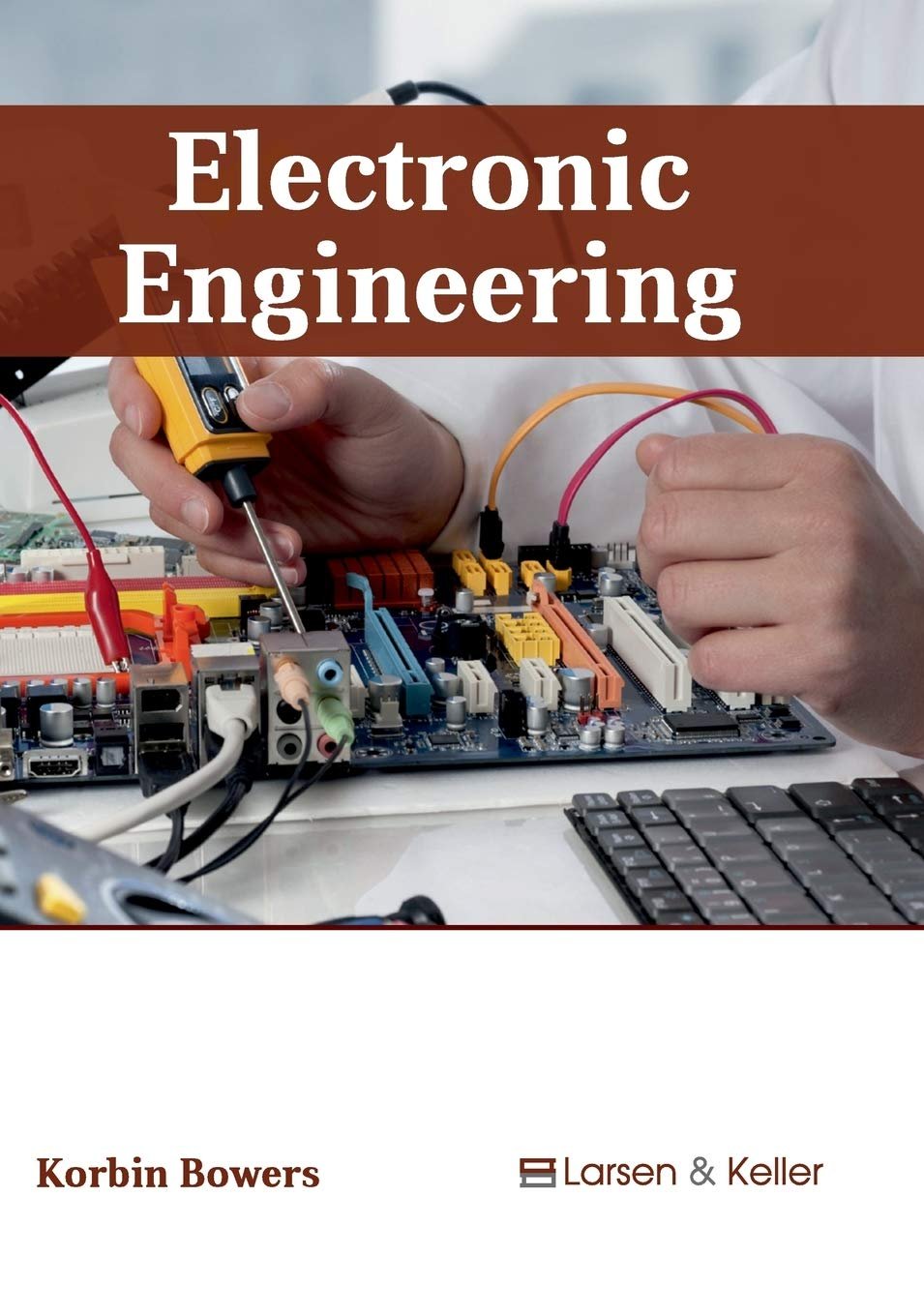
Electronic Engineering
Discover why Electronic Engineering stands out among similar products.
Learn about its key features, benefits, and real performance.

What Makes Electronic Engineering Special?

Comprehensive Review of the Book "Electronic Engineering"
In the rapidly evolving field of technology, electronic engineering stands as a pillar of innovation, shaping our modern world in myriad ways. The book "Electronic Engineering" seeks to elucidate the often obscured dimensions of this complex subject by diving deep into its essential elements. This review offers an honest, SEO-optimized evaluation of the text, focusing on its key features, usability, quality, strengths, weaknesses, and ideal readership.
Key Features
Holistic Coverage of Topics
One of the standout features of "Electronic Engineering" is its extensive coverage of significant topics within the field. The book excels at exploring individual segments of electronic engineering, such as:
-
Analog and Digital Electronics: The text provides a robust overview of both analog and digital systems, crucial for understanding the foundational differences and applications in real-world scenarios.
-
Embedded Systems: It discusses the role of micro-controllers and micro-processors, emphasizing how these components are integrated into modern technology, from smartphones to industrial automation systems.
-
Power Electronics: This section outlines the importance of managing electrical energy efficiently, a critical need in today’s energy-conscious environment.
- Nonlinear and Active Components: The book dives into diodes and semiconductor devices, shedding light on their functions and contributions to electronic designs.
By breaking down these topics, the book makes the complex content more comprehensible and accessible for a varied audience.
User-Friendly Language
The authors have made a conscious effort to present complex ideas in an easy-to-understand manner. This user-friendly language helps demystify jargon-heavy concepts, making the content less intimidating for beginners and more digestible for advanced readers alike. This commitment to clarity is a significant asset for anyone delving into the intricacies of electronic engineering.
Real-World Applications
Beyond theoretical discussions, "Electronic Engineering" integrates real-world applications that demonstrate the relevance of various concepts. Case studies and practical examples effectively bridge the gap between theory and practice, allowing readers to better understand how the principles covered in the book are utilized in actual engineering projects.
Quality, Materials, and Design
Production Quality
The physical aspect of the book – including its binding, cover design, and paper quality – is solid. It’s evident that care was taken in the production process. The text is well-organized, with clear headings and subheadings, which enhances the reading experience. The diagrams and illustrations are particularly noteworthy; they complement the text effectively while providing visual learning aids that further clarify complex ideas.
Structured Learning Path
The book is organized in such a way that it allows for a progressive learning experience. Each chapter logically flows from one topic to the next, making it easier for readers to build upon their knowledge as they advance through the material. This structured approach makes it suitable for self-study, as well as for instructional environments such as universities.
Strengths
Comprehensive Introduction to Electronic Engineering
"Electronic Engineering" serves as an excellent introductory resource for newcomers to the field. It covers essential theories and practices without overwhelming the reader, making it an ideal starting point for students and professionals alike.
Engaging and Insightful Content
The authors exhibit a passion for their subject matter, and this enthusiasm translates into engaging and insightful content. Readers are likely to find themselves inspired by the innovative possibilities that electronic engineering presents, thanks to the motivational tone of the writing.
Updated Information
Given the rapid developments in technology, it’s crucial that educational materials stay current. This book successfully incorporates modern advancements and practices in electronic engineering, ensuring that readers are not left with outdated information.
Weaknesses
Depth vs. Breadth
While the book does an admirable job of covering a wide array of topics, some readers might find the depth lacking in certain areas. For those seeking an advanced understanding of specialized subjects, supplementary texts may be required for deeper exploration. Specifically, experienced engineers or graduate students might feel that the content can at times skim over complex theories without delving into the mathematical intricacies often accompanying advanced designs.
Lack of Exercises
A notable absence in "Electronic Engineering" is the lack of end-of-chapter exercises or problems that readers can work through. These exercises could greatly enhance understanding and retention of the material, allowing readers to apply what they’ve learned in practical scenarios.
Ideal User Type and Best Use Cases
Target Audience
-
Students and Aficionados: If you’re a student majoring in electronic engineering or a related field, this book would provide a solid foundation. It’s also suitable for hobbyists or enthusiasts looking to understand the basics of electronic devices and circuits without extensive prior knowledge.
- Professionals Seeking a Refresher: Seasoned engineers may find value in revisiting foundational concepts or gaining insights into the latest trends in electronic engineering.
Best Use Cases
-
Supplementary Text for Academic Courses: The book can serve as an excellent supplementary resource for college courses in electronic engineering, providing additional context and explanations.
-
Individual Learning Tool: For those who have an interest in electronics but haven’t pursued formal education in the field, this text can be a stepping stone toward more advanced studies or practical applications.
- Reference for Projects: Engineers working on practical projects may find sections of the book helpful for quick reference on specific topics related to design and implementation.
Final Thoughts
In conclusion, "Electronic Engineering" is a commendable effort that contributes significantly to the literature in the field. With its user-friendly approach, comprehensive coverage of essential topics, and practical applications, the book is poised to serve as a valuable resource for both novices and professionals alike. While it has some limitations in depth and exercise content, its strengths far outweigh these weaknesses, making it a worthwhile addition to any engineer’s library.
So, whether you’re a budding engineer eager to learn the ropes or a seasoned professional looking to refresh your understanding of core concepts, "Electronic Engineering" is an excellent choice that promises to enlighten and inspire.
Why Choose Electronic Engineering
- ✅ Designed for convenience and reliability
- 🔍 Offers features that stand out from competitors
- ⚙️ Built with durable, high-quality materials
- 💰 Provides excellent value for the price
Tags
#Electronic #Engineering