

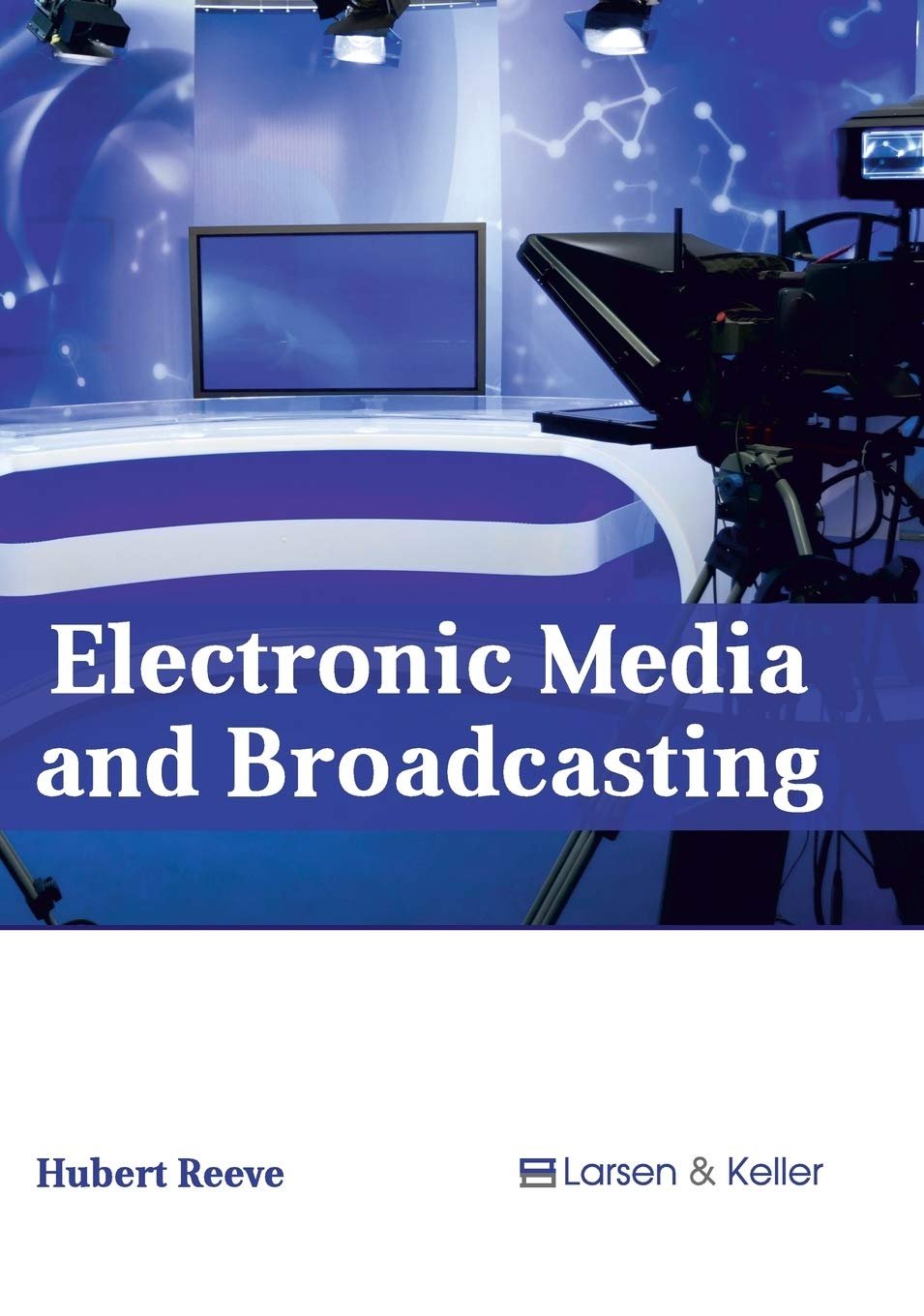
Electronic Media and Broadcasting
Discover why Electronic Media and Broadcasting stands out among similar products.
Learn about its key features, benefits, and real performance.

What Makes Electronic Media and Broadcasting Special?

Review of "Electronic Media and Broadcasting"
In a world increasingly dominated by digital communication and media, the book "Electronic Media and Broadcasting," published by Larsen & Keller Educ on June 20, 2017, serves as an essential guide for those keen on understanding the intricacies of the electronic media landscape. With a print length of 241 pages, this book dives into the various concepts and practical applications of electronic media and broadcasting, making it a worthy read for both students and professionals in the field.
Key Features and Real Usability
At its core, the book provides an extensive overview of electronic media — encompassing everything from television and radio to computers and gaming consoles. It adeptly explains how each medium contributes to the broader field of journalism, making it not just informative but also contextually relevant in today’s fast-paced media environment.
One of the standout features of this book is its structured approach to breaking down different branches of electronic media. Each chapter focuses on a specific medium or technique, making it easier for readers to grasp the nuances involved. For instance, the discussions on new techniques — such as podcasting, webcasting, and live-streaming — illustrate how these platforms can be utilized to boost engagement and information dissemination, especially useful for aspiring journalists and media professionals.
The inclusion of case studies and real-world applications provides a practical dimension to the theoretical concepts discussed. Readers will find that the book effectively bridges the gap between theory and practice, ensuring that the knowledge gained can be applied in real-world scenarios.
Quality, Materials, and Design
The book is well-constructed, with a solid layout that enhances the reading experience. The print quality is commendable, with legible fonts and well-organized chapters. The covers and binding appear durable, suitable for frequent use, whether in academic class or personal study.
Moreover, the language used is clear and concise, making it accessible even for those who may not have a background in media studies. It avoids jargon as much as possible while maintaining academic integrity, thus broadening its audience scope. Visual aids, diagrams, and examples are interspersed throughout the text, which not only break the monotony of print but also reinforce learning.
Strengths and Weaknesses
Strengths:
-
Comprehensive Coverage: The book successfully touches upon a spectrum of topics within electronic media, giving readers a broad-based understanding of the field.
-
Practical Application: The focus on real-world applications equips readers with the tools they need to succeed in the ever-evolving media landscape.
-
User-Friendly Language: Written in an accessible tone, it caters to both novices and experts in the media sector, making it a versatile resource.
-
Excellent Structure: The organized chapter layout along with clearly-defined sections promises an easy navigation and learning experience.
- Timeliness and Relevance: Considering the ongoing transformations in media platforms, the book touches upon contemporary techniques that are vital for anyone looking to enter the field.
Weaknesses:
-
Lack of In-Depth Case Studies: While the book provides a good overview, some readers might be looking for more depth in case studies to better contextualize the theories discussed.
-
Fast-Paced Changes in Technology: Given that technology evolves quickly, some of the techniques or platforms discussed in the book may be outdated soon, which is a perennial challenge in any media-related literature.
- Scope of Coverage: While comprehensive, the book may not delve deeply enough into niche areas of electronic media, which could be a drawback for advanced readers seeking expertise in specific domains.
Ideal User Type and Best Use Cases
"Electronic Media and Broadcasting" is particularly suited for:
-
Students of Journalism/Media Studies: Those enrolled in programs related to journalism, communications, or media will benefit from the foundational knowledge this book provides.
-
Professionals Seeking to Update Skills: Media professionals looking to expand their understanding of new platforms and technologies will find this book a useful refresher.
-
Aspiring Content Creators: Influencers, podcasters, and video producers can gain insights into how electronic media channels operate, allowing them to leverage these platforms more effectively.
- Educators and Trainers: Teachers and trainers looking for resource material for classes on media studies may find it a good textbook alternative.
Conclusion
In conclusion, “Electronic Media and Broadcasting” is a comprehensive and accessible guide that holds significant value for anyone interested in the electronic media landscape. Its strengths in practical application, user-friendly language, and insightful coverage of various mediums make it an ideal resource for students, educators, and professionals alike.
While the book has its weaknesses, particularly regarding the fast-paced evolution of technology, it still provides a solid foundation for understanding the critical aspects of electronic media and broadcasting. If you are passionate about journalism, electronic media, and how they intersect, this book may serve as a stepping stone into a dynamic and continuously evolving professional landscape.
Overall, it’s an intelligent investment for those looking to sharpen their understanding and influence within the world of electronic media.
Why Choose Electronic Media and Broadcasting
- ✅ Designed for convenience and reliability
- 🔍 Offers features that stand out from competitors
- ⚙️ Built with durable, high-quality materials
- 💰 Provides excellent value for the price
Tags
#Electronic #Media #Broadcasting