

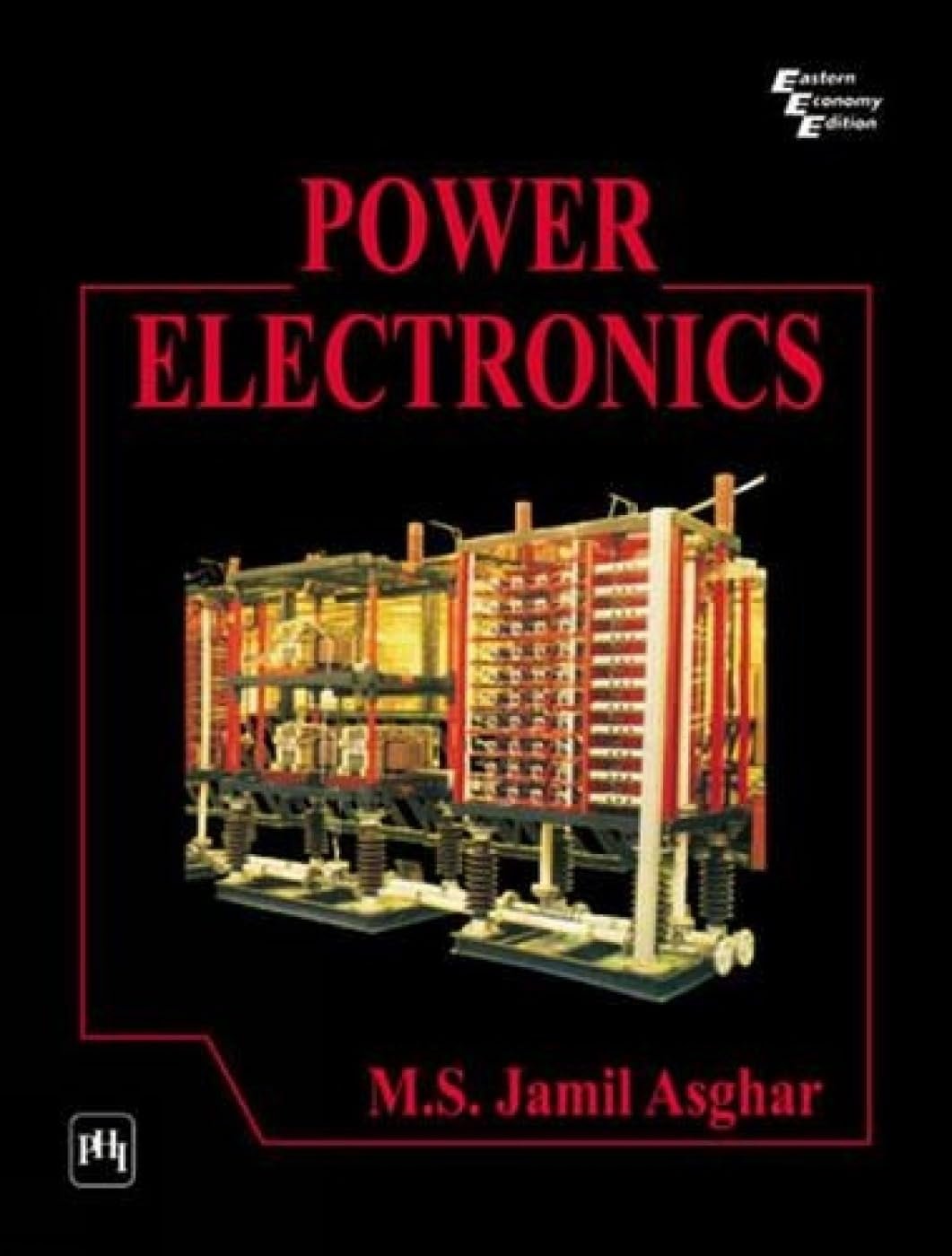
Power Electronics
Discover why Power Electronics stands out among similar products.
Learn about its key features, benefits, and real performance.
What Makes Power Electronics Special?

Comprehensive Review of Power Electronics
Power Electronics has emerged as a pivotal component in modern technology, fundamentally transforming how energy is managed and converted in various applications. From renewable energy systems to electric vehicles, understanding the essence of power electronics can provide insights into its advantages, limitations, and ideal use cases. In this review, we will delve into key features, usability, quality, strengths, weaknesses, and the ideal user type for power electronics.
Key Features and Usability
1. Energy Conversion Efficiency
One of the standout features of power electronics is its unparalleled energy conversion efficiency. Power electronic devices, such as converters and inverters, minimize energy loss during the conversion process from AC to DC or vice versa. Advanced semiconductor technology such as silicon carbide (SiC) and gallium nitride (GaN) has greatly improved performance, enabling higher efficiency levels often exceeding 95%. This high efficiency is crucial for applications in renewable energy, especially for solar inverters that maximize energy harvest.
2. Compact Design
Modern power electronics are designed with space and weight in mind. The shift from traditional silicon-based components to newer materials has resulted in smaller, lighter, and more compact solutions. This compactness is essential in applications like electric cars where space is at a premium, as well as in consumer electronics where size constraints are critical.
3. Robust Durability
Power electronics are engineered to withstand extreme temperatures, voltage spikes, and harsh environmental conditions. This durability makes them suitable for various applications, from industrial settings to outdoor renewable energy installations. Devices often come with thermal management systems that prevent overheating and ensure longevity.
4. Modular Design
Many power electronic systems are designed with modularity in mind. This feature allows for flexibility in integration and scaling, ideal for applications that require adjustments over time. Whether it is upgrading solar inverters or enhancing electric vehicle performances, modular designs simplify the process.
5. Advanced Control Systems
Power electronic devices are increasingly equipped with sophisticated control mechanisms that enhance their performance and adaptability in real-time. These controls enable devices to adjust their operations based on input parameters, optimizing performance and energy efficiency. Real-time monitoring and control are vital for applications in smart grids, ensuring stable and reliable energy distribution.
Quality, Materials, and Design
1. High-Quality Components
Power electronics make use of high-quality materials, crucial for ensuring reliability and performance. The adoption of advanced semiconductors such as GaN and SiC has facilitated higher performance levels, enabling devices to operate efficiently under high-voltage conditions. Coupled with robust circuit design and high-quality capacitors, the overall quality of power electronic devices is commendable.
2. Thermal Management
Thermal management is a critical aspect of power electronics, particularly given their increasing efficiency and output capabilities. Modern devices utilize advanced cooling techniques—like heat sinks, liquid cooling, and thermal interface materials—to enhance performance and safeguard against overheating. The design often includes features that facilitate heat dissipation, ensuring the longevity of the device.
3. Ergonomic and User-Friendly Design
Interfaces and designs are often tailored to enhance user experience. Many power electronic devices come with user-friendly displays and intuitive controls, making it easier for both professionals and enthusiasts to monitor and adjust their operations. The aesthetic and ergonomic considerations contribute to the overall usability of the product.
Strengths and Weaknesses
Strengths
-
High Efficiency: Power electronics are designed to minimize energy loss, making them essential for sustainable applications.
-
Versatility: Applicable in various sectors, including automotive, telecommunications, and renewable energy, power electronics demonstrate remarkable adaptability.
-
Compactness: The lightweight and compact nature of modern devices allows for greater flexibility in design and application.
-
Improved Performance: Advanced materials and robust design lead to superior performance in managing high voltages and currents.
- Long Lifespan: Enhanced durability ensures that power electronic devices typically have a long operational life, which is essential for long-term investments.
Weaknesses
-
Cost: The initial investment for high-quality power electronic systems can be significant due to advanced materials and technology used.
-
Complexity: Systems can become complicated, requiring specialized knowledge for installation, maintenance, and troubleshooting.
-
Thermal Constraints: While advanced thermal management techniques exist, overheating can still be an issue if not adequately addressed in the design phase.
- Dependency on Technology: As technology evolves, older systems may become obsolete, necessitating updates or replacements more frequently than traditional systems.
Ideal User Type and Best Use Cases
Ideal User Type
Power electronics are best suited for engineers, technicians, and industry professionals who work in energy management, automotive technologies, and electronics. Those who are familiar with semiconductor components and energy conversion processes should find power electronics especially valuable. Additionally, renewable energy advocates and enthusiasts looking to implement solar or wind energy systems will benefit from understanding power electronics’ roles.
Best Use Cases
-
Renewable Energy Systems: Power electronics play an essential role in solar inverters and wind turbine converters, optimizing energy harvesting and conversion.
-
Electric Vehicles (EVs): The automotive industry heavily relies on power electronics for battery management systems, motor controllers, and charging systems.
-
Industrial Automation: In factories and plants, power electronics are crucial for controlling motors, drives, and processes to improve energy efficiency.
-
Consumer Electronics: Products such as laptops, smartphones, and televisions utilize power electronic converters to manage energy consumption effectively.
- Smart Grids: Power electronics facilitate real-time energy distribution, load management, and integration of renewable sources into existing grids.
Conclusion
Power electronics are a cornerstone of contemporary technology, providing efficient energy management solutions across various applications. While they come with their set of complexities and initial costs, the long-term benefits often outweigh these drawbacks, making them a sound investment for any modern electrical system.
This review has explored the essential features and usability of power electronics, including their strengths and weaknesses, quality, and design. Understanding these elements allows potential users to make informed decisions regarding their integration into projects or products. Ultimately, harnessing the power of power electronics is not just about adopting a technology but embracing a path towards a more energy-efficient future.
Why Choose Power Electronics
- ✅ Designed for convenience and reliability
- 🔍 Offers features that stand out from competitors
- ⚙️ Built with durable, high-quality materials
- 💰 Provides excellent value for the price
Tags
#Power #Electronics